
[et_pb_section fb_built=”1″ _builder_version=”4.13.1″ _module_preset=”default” global_colors_info=”{}”][et_pb_row _builder_version=”4.13.1″ _module_preset=”default” custom_margin=”-40px||||false|false” global_colors_info=”{}”][et_pb_column type=”4_4″ _builder_version=”4.13.1″ _module_preset=”default” global_colors_info=”{}”][et_pb_text _builder_version=”4.13.1″ _module_preset=”default” text_text_color=”#4E6A8F” header_text_color=”#0F2B49″ header_2_text_color=”#0F2B49″ custom_margin=”||-60px||false|false” custom_padding=”||0px||false|false” global_colors_info=”{}”]
Upper Airway Resistance
[/et_pb_text][/et_pb_column][/et_pb_row][/et_pb_section][et_pb_section fb_built=”1″ _builder_version=”4.13.1″ _module_preset=”default” top_divider_style=”curve2″ top_divider_color=”#4E6A8F” top_divider_height=”198px” global_colors_info=”{}”][et_pb_row _builder_version=”4.13.1″ _module_preset=”default” custom_margin=”||0px||false|false” global_colors_info=”{}”][et_pb_column type=”4_4″ _builder_version=”4.13.1″ _module_preset=”default” background_color_gradient_start=”#4e6a8f” background_color_gradient_end=”#ffffff” custom_padding=”15px||15px||false|false” global_colors_info=”{}”][et_pb_image src=”https://www.myofunctionaladvantage.com/wp-content/uploads/2022/03/Screen-Shot-2022-03-13-at-3.39.39-PM.png” title_text=”Screen Shot 2022-03-13 at 3.39.39 PM” align=”center” _builder_version=”4.13.1″ _module_preset=”default” height=”251px” hover_enabled=”0″ global_colors_info=”{}” sticky_enabled=”0″][/et_pb_image][/et_pb_column][/et_pb_row][et_pb_row column_structure=”1_3,2_3″ _builder_version=”4.13.1″ _module_preset=”default” global_colors_info=”{}”][et_pb_column type=”1_3″ _builder_version=”4.13.1″ _module_preset=”default” background_color=”#0F2B49″ use_background_color_gradient=”on” background_color_gradient_start=”#f6b9ad” background_color_gradient_end=”#0f2b49″ custom_padding=”50px||50px||false|false” global_colors_info=”{}”][et_pb_text _builder_version=”4.13.1″ _module_preset=”default” header_text_align=”center” header_text_color=”#FFFFFF” header_2_text_color=”#FFFFFF” global_colors_info=”{}”]
What is Upper Airway Resistance?
[/et_pb_text][/et_pb_column][et_pb_column type=”2_3″ _builder_version=”4.13.1″ _module_preset=”default” global_colors_info=”{}”][et_pb_text _builder_version=”4.13.1″ _module_preset=”default” global_colors_info=”{}”]
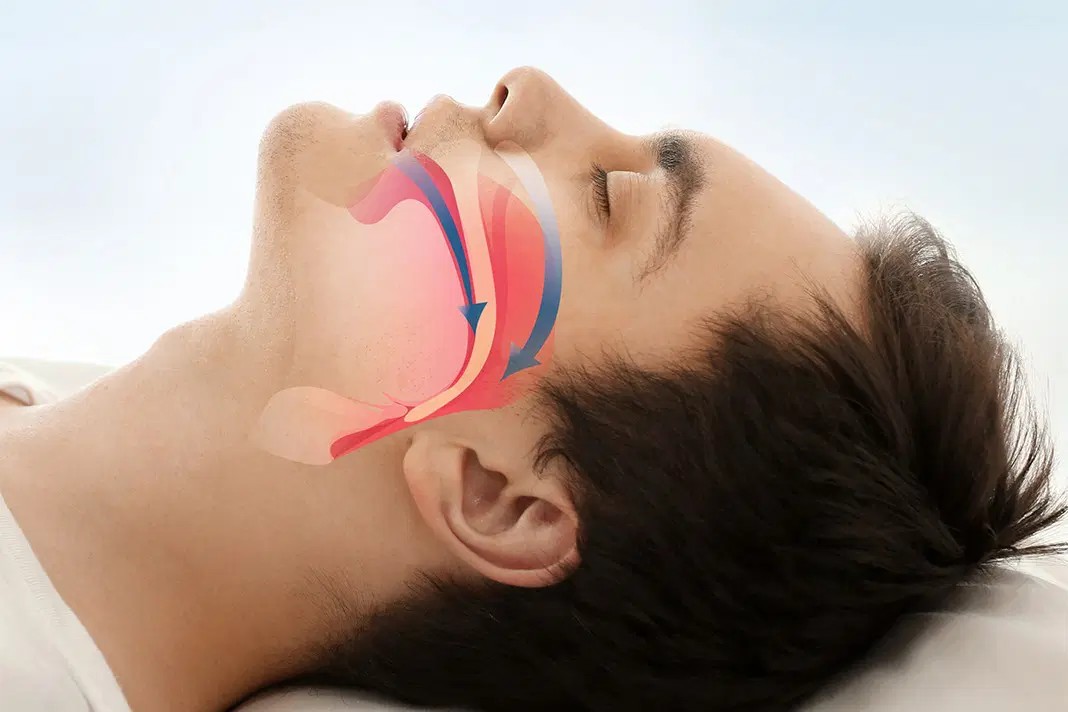
Upper Airway Resistance or UARS is when the soft tissues of your throat collapse and impede airflow while you sleep. UARS is a sleep disorder similar to obstructive sleep apnea, but not as severe. Patients with UARS often have trouble sleeping and daytime sleepiness. The main difference between the two sleep disorders is that most people with UARS usually do not have pauses or decreased breathing & oxygen levels. Most people with UARS are often average weight, while people with sleep apnea can, but not always, be overweight or obese. Untreated UARS can lead to OSA (obstructive sleep apnea).
[/et_pb_text][/et_pb_column][/et_pb_row][et_pb_row column_structure=”1_3,1_3,1_3″ _builder_version=”4.13.1″ _module_preset=”default” custom_margin=”20px||||false|false” locked=”off” global_colors_info=”{}”][et_pb_column type=”1_3″ _builder_version=”4.13.1″ _module_preset=”default” background_color=”#0F2B49″ use_background_color_gradient=”on” background_color_gradient_start=”#0f2b49″ background_color_gradient_end=”#cfe3d8″ custom_padding=”45px||45px||false|false” global_colors_info=”{}”][et_pb_text _builder_version=”4.13.1″ _module_preset=”default” header_text_align=”center” header_text_color=”#FFFFFF” header_2_text_color=”#FFFFFF” global_colors_info=”{}”]
What are symptoms
of UARS?
[/et_pb_text][/et_pb_column][et_pb_column type=”1_3″ _builder_version=”4.13.1″ _module_preset=”default” global_colors_info=”{}”][et_pb_text ul_type=”circle” _builder_version=”4.13.1″ _module_preset=”default” global_colors_info=”{}”]
- Fatigue
- Poor Sleep
- Anxiety
- Depression
- Memory or Thinking Issues
- Excessive Daytime Sleepiness
- Difficulty Falling Asleep
[/et_pb_text][/et_pb_column][et_pb_column type=”1_3″ _builder_version=”4.13.1″ _module_preset=”default” global_colors_info=”{}”][et_pb_text ul_type=”circle” _builder_version=”4.13.1″ _module_preset=”default” global_colors_info=”{}”]
- Clenching and/or Grinding
- Insomnia
- Waking up Unrefreshed
- Headaches
- Heartburn
- Diarrhea
[/et_pb_text][/et_pb_column][/et_pb_row][et_pb_row column_structure=”1_3,2_3″ _builder_version=”4.13.1″ _module_preset=”default” custom_margin=”0px||||false|false” locked=”off” global_colors_info=”{}”][et_pb_column type=”1_3″ _builder_version=”4.13.1″ _module_preset=”default” background_color=”#0F2B49″ use_background_color_gradient=”on” background_color_gradient_start=”#cfe3d8″ background_color_gradient_end=”#4e6a8f” custom_padding=”45px||45px||false|false” global_colors_info=”{}”][et_pb_text _builder_version=”4.13.1″ _module_preset=”default” header_text_align=”center” header_text_color=”#FFFFFF” header_2_text_color=”#FFFFFF” custom_margin=”15px||15px||false|false” global_colors_info=”{}”]
What causes UARS?
[/et_pb_text][/et_pb_column][et_pb_column type=”2_3″ _builder_version=”4.13.1″ _module_preset=”default” global_colors_info=”{}”][et_pb_text _builder_version=”4.13.1″ _module_preset=”default” custom_margin=”14px||||false|false” global_colors_info=”{}”]
UARS can be caused by a narrow airway, tissue collapse in the throat, and/or the tongue falling into the back of the throat. These issues make it more difficult to breathe. When you are having difficulty breathing while you are asleep, the brain knows it and creates arousals to stimulate breathing. These arousals do not cause a person to fully wake up. However, they do lead to fragmented sleep and contribute to daytime sleepiness.
[/et_pb_text][/et_pb_column][/et_pb_row][et_pb_row column_structure=”1_3,2_3″ _builder_version=”4.13.1″ _module_preset=”default” custom_margin=”30px||||false|false” locked=”off” global_colors_info=”{}”][et_pb_column type=”1_3″ _builder_version=”4.13.1″ _module_preset=”default” background_color=”#0F2B49″ use_background_color_gradient=”on” background_color_gradient_start=”#4e6a8f” background_color_gradient_end=”rgba(255,255,255,0.91)” custom_padding=”25px||25px||false|false” global_colors_info=”{}”][et_pb_text _builder_version=”4.13.1″ _module_preset=”default” header_text_align=”center” header_text_color=”#FFFFFF” header_2_text_color=”#FFFFFF” custom_margin=”15px||15px||false|false” global_colors_info=”{}”]
How is UARS
diagnosed?
[/et_pb_text][/et_pb_column][et_pb_column type=”2_3″ _builder_version=”4.13.1″ _module_preset=”default” global_colors_info=”{}”][et_pb_text _builder_version=”4.13.1″ _module_preset=”default” custom_margin=”14px||||false|false” global_colors_info=”{}”]
The diagnosis of UARS is based on findings on a polysomnogram, or sleep study. UARS patients will have very few apneas and hypopneas, but many breathing related arousals. Thus, many patients who receive sleep studies may receive a negative result, even if they have UARS. They can often be diagnosed with other health conditions.
[/et_pb_text][/et_pb_column][/et_pb_row][et_pb_row column_structure=”1_3,2_3″ _builder_version=”4.13.1″ _module_preset=”default” custom_margin=”30px||||false|false” locked=”off” global_colors_info=”{}”][et_pb_column type=”1_3″ _builder_version=”4.13.1″ _module_preset=”default” background_color=”#0F2B49″ use_background_color_gradient=”on” background_color_gradient_start=”#4e6a8f” background_color_gradient_end=”#f6b9ad” custom_padding=”25px||25px||false|false” global_colors_info=”{}”][et_pb_text _builder_version=”4.13.1″ _module_preset=”default” header_text_align=”center” header_text_color=”#FFFFFF” header_2_text_color=”#FFFFFF” custom_margin=”15px||15px||false|false” global_colors_info=”{}”]
What is the
treatment for UARS?
[/et_pb_text][/et_pb_column][et_pb_column type=”2_3″ _builder_version=”4.13.1″ _module_preset=”default” global_colors_info=”{}”][et_pb_text ul_type=”circle” _builder_version=”4.13.1″ _module_preset=”default” custom_margin=”0px||||false|false” global_colors_info=”{}”]
- Behavior Modification
- Medications
- Orofacial Myofunctional Therapy
- Oral Appliances
- CPAP
- Surgery
[/et_pb_text][/et_pb_column][/et_pb_row][/et_pb_section][et_pb_section fb_built=”1″ _builder_version=”4.13.1″ _module_preset=”default” global_colors_info=”{}”][et_pb_row _builder_version=”4.13.1″ _module_preset=”default” global_colors_info=”{}”][et_pb_column type=”4_4″ _builder_version=”4.13.1″ _module_preset=”default” global_colors_info=”{}”][et_pb_text _builder_version=”4.13.1″ _module_preset=”default” global_colors_info=”{}”]
References
Corrêa, C. C., & Berretin-Felix, G. (2015). Myofunctional therapy applied to upper airway resistance syndrome: a case report. Codas, 27(6), 604-9. https://pubmed.ncbi.nlm.nih.gov/26691626/
Marks, J. (2021). What is Upper Resistance Syndrome? WebMD. https://www.webmd.com/sleep-disorders/upper-airway-resistance-syndrome-uars
[/et_pb_text][/et_pb_column][/et_pb_row][/et_pb_section]