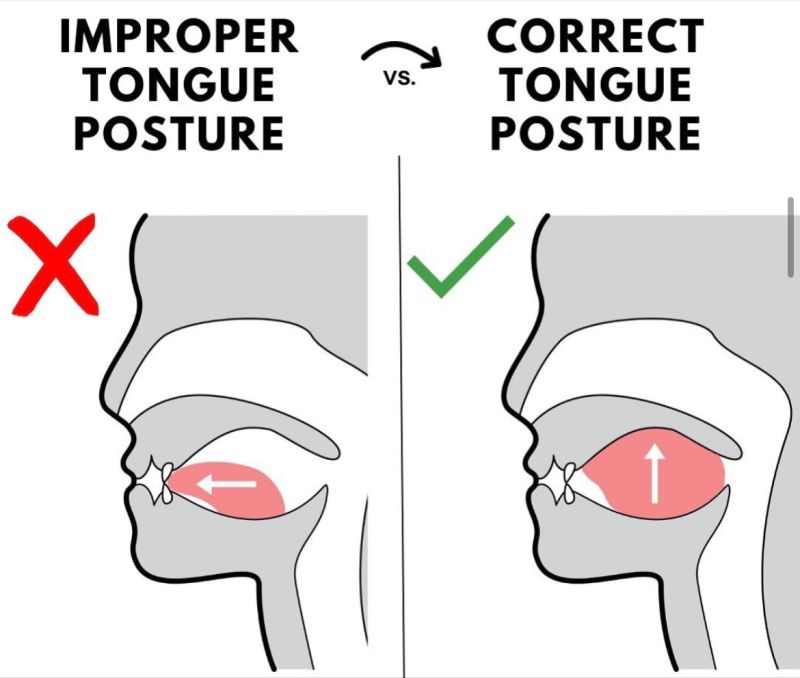
[et_pb_section fb_built=”1″ _builder_version=”4.13.1″ _module_preset=”default” saved_tabs=”all” global_colors_info=”{}”][et_pb_row _builder_version=”4.13.1″ _module_preset=”default” custom_margin=”-40px||||false|false” global_colors_info=”{}”][et_pb_column type=”4_4″ _builder_version=”4.13.1″ _module_preset=”default” global_colors_info=”{}”][et_pb_text _builder_version=”4.13.1″ _module_preset=”default” text_text_color=”#4E6A8F” header_text_color=”#0F2B49″ header_2_text_color=”#0F2B49″ custom_margin=”||-60px||false|false” custom_padding=”||0px||false|false” global_colors_info=”{}”]

Tongue Ties & Tethered Oral Tissues

[/et_pb_text][/et_pb_column][/et_pb_row][/et_pb_section][et_pb_section fb_built=”1″ _builder_version=”4.13.1″ _module_preset=”default” top_divider_style=”curve2″ top_divider_color=”#4E6A8F” top_divider_height=”198px” global_module=”291″ global_colors_info=”{}”][et_pb_row _builder_version=”4.13.1″ _module_preset=”default” global_colors_info=”{}”][et_pb_column type=”4_4″ _builder_version=”4.13.1″ _module_preset=”default” global_colors_info=”{}”][et_pb_image src=”https://www.myofunctionaladvantage.com/wp-content/uploads/2022/03/toungethrust.jpeg” title_text=”toungethrust” align=”center” _builder_version=”4.13.1″ _module_preset=”default” max_height=”976px” hover_enabled=”0″ global_colors_info=”{}” height=”251px” sticky_enabled=”0″][/et_pb_image][/et_pb_column][/et_pb_row][/et_pb_section][et_pb_section fb_built=”1″ _builder_version=”4.13.1″ _module_preset=”default” top_divider_color=”#4E6A8F” top_divider_height=”198px” global_colors_info=”{}”][et_pb_row column_structure=”1_3,2_3″ _builder_version=”4.13.1″ _module_preset=”default” custom_margin=”-25px||0px||false|false” global_colors_info=”{}”][et_pb_column type=”1_3″ _builder_version=”4.13.1″ _module_preset=”default” background_color=”#0F2B49″ use_background_color_gradient=”on” background_color_gradient_start=”#f6b9ad” background_color_gradient_end=”#0f2b49″ custom_padding=”50px||50px||false|false” global_colors_info=”{}”][et_pb_text _builder_version=”4.13.1″ _module_preset=”default” header_text_align=”center” header_text_color=”#FFFFFF” header_2_text_color=”#FFFFFF” global_colors_info=”{}”]

What is proper

tongue posture?

[/et_pb_text][/et_pb_column][et_pb_column type=”2_3″ _builder_version=”4.13.1″ _module_preset=”default” global_colors_info=”{}”][et_pb_text _builder_version=”4.13.1″ _module_preset=”default” custom_margin=”12px||||false|false” global_colors_info=”{}”]

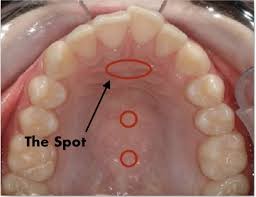
Proper tongue posture involves the placement and resting position of your tongue in your mouth. The ideal position for your tongue is pressed against the roof of your mouth rather than letting it rest in the bottom of your mouth or pressed against the back of your teeth. The tip of the tongue should rest on the incisive papilla, the bump of tissue behind the two front teeth on the hard palate. The “SPOT” is located just behind that bump, it can be found by making an /N/ sound. The tongue should contact the three points on the palate indicated on the picture below.
[/et_pb_text][et_pb_image src=”https://www.myofunctionaladvantage.com/wp-content/uploads/2022/03/the-spot.jpg” title_text=”the spot” align=”center” _builder_version=”4.13.1″ _module_preset=”default” height=”245px” global_colors_info=”{}”][/et_pb_image][/et_pb_column][/et_pb_row][et_pb_row column_structure=”1_3,2_3″ _builder_version=”4.13.1″ _module_preset=”default” custom_margin=”20px||||false|false” locked=”off” global_colors_info=”{}”][et_pb_column type=”1_3″ _builder_version=”4.13.1″ _module_preset=”default” background_color=”#0F2B49″ use_background_color_gradient=”on” background_color_gradient_start=”#0f2b49″ background_color_gradient_end=”#cfe3d8″ custom_padding=”20px||20px||false|false” global_colors_info=”{}”][et_pb_text _builder_version=”4.13.1″ _module_preset=”default” header_2_text_color=”#FFFFFF” custom_margin=”30px||30px||false|false” custom_padding=”8px||8px||false|false” global_colors_info=”{}”]

Why is proper tongue

posture important?

[/et_pb_text][/et_pb_column][et_pb_column type=”2_3″ _builder_version=”4.13.1″ _module_preset=”default” global_colors_info=”{}”][et_pb_text ul_type=”circle” ul_item_indent=”25px” _builder_version=”4.13.1″ _module_preset=”default” global_colors_info=”{}”]

Maintaining the right tongue posture has a number of oral health benefits:

  • Improves oral development
  • Promotes proper airway development
  • Maintains straighter teeth alignment
  • Prevents teeth grinding
  • Prevents your tongue from blocking airway
  • Prevents snoring and sleep apnea
  • Prevents mouth breathing
  • Improves support for your cheekbones and jaw so that they remain prominent with age

    [/et_pb_text][/et_pb_column][/et_pb_row][et_pb_row column_structure=”1_3,2_3″ _builder_version=”4.13.1″ _module_preset=”default” custom_margin=”0px||||false|false” locked=”off” global_colors_info=”{}”][et_pb_column type=”1_3″ _builder_version=”4.13.1″ _module_preset=”default” background_color=”#0F2B49″ use_background_color_gradient=”on” background_color_gradient_start=”#cfe3d8″ background_color_gradient_end=”#4e6a8f” custom_padding=”45px||45px||false|false” global_colors_info=”{}”][et_pb_text _builder_version=”4.13.1″ _module_preset=”default” header_text_align=”center” header_text_color=”#FFFFFF” header_2_text_color=”#FFFFFF” custom_margin=”20px||20px||false|false” global_colors_info=”{}”]

    What is a

    tongue thrust?

    [/et_pb_text][/et_pb_column][et_pb_column type=”2_3″ _builder_version=”4.13.1″ _module_preset=”default” global_colors_info=”{}”][et_pb_text _builder_version=”4.13.1″ _module_preset=”default” custom_margin=”0px||||false|false” global_colors_info=”{}”]

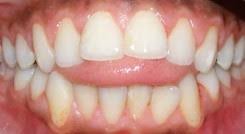
    Tongue thrusting is a myofunctional disorder in which muscular imbalance leads to the tongue pressing too far forward in the mouth during speech, swallowing, and even when the tongue is at rest. It may also be called also called reverse swallowing or immature swallow.​ During a normal swallow, the tip of the tongue presses firmly against the roof of the mouth slightly behind the front teeth, the rest of the tongue is pulled up into the palate.  The lips should be closed with the teeth slightly touching.  There should be NO additional muscle movements or contractions from the chin or face.

    It is estimated a person swallows a total of 1,200 to 2,000 times every 24 hours with about four pounds of pressure per swallow. This constant pressure of the tongue will force the teeth and arches out of alignment. Aside from the pressure exerted while swallowing, nervous thrusting also pushes the tongue against the teeth while it is at rest. This is an involuntary, subconscious habit that is difficult to correct.
    [/et_pb_text][et_pb_image src=”https://www.myofunctionaladvantage.com/wp-content/uploads/2022/03/toungethrust.jpeg” title_text=”toungethrust” align=”center” _builder_version=”4.13.1″ _module_preset=”default” global_colors_info=”{}”][/et_pb_image][/et_pb_column][/et_pb_row][et_pb_row column_structure=”1_3,2_3″ _builder_version=”4.13.1″ _module_preset=”default” custom_margin=”25px||||false|false” locked=”off” global_colors_info=”{}”][et_pb_column type=”1_3″ _builder_version=”4.13.1″ _module_preset=”default” background_color=”#0F2B49″ use_background_color_gradient=”on” background_color_gradient_start=”#4e6a8f” background_color_gradient_end=”rgba(255,255,255,0.91)” custom_padding=”25px||25px||false|false” global_colors_info=”{}”][et_pb_text _builder_version=”4.13.1″ _module_preset=”default” header_text_align=”center” header_text_color=”#FFFFFF” header_2_text_color=”#FFFFFF” custom_margin=”25px||25px||false|false” global_colors_info=”{}”]

    Why is tongue

    posture a concern?

    [/et_pb_text][/et_pb_column][et_pb_column type=”2_3″ _builder_version=”4.13.1″ _module_preset=”default” global_colors_info=”{}”][et_pb_text ul_type=”circle” ul_item_indent=”25px” _builder_version=”4.13.1″ _module_preset=”default” custom_margin=”0px||||false|false” global_colors_info=”{}”]

    Incorrect tongue posture can often cause misalignment, crowded teeth, crossbite, and open bites.  This problem may lead to difficulties in biting, chewing, swallowing, and TMJ dysfunction. These problems can also include snoring, sleep apnea, clenching/grinding, nasal blockages, and enlarged tonsils or adenoids.

    Other concerns including the following:

    • Delayed or impaired tooth eruption
    • Headaches, grinding, or clenching of the teeth 
    • Stomach distress from swallowing air or incomplete chewing of food
    • Forward head posture
    • MIddle ear drainage issues

    [/et_pb_text][/et_pb_column][/et_pb_row][et_pb_row column_structure=”1_3,2_3″ _builder_version=”4.13.1″ _module_preset=”default” custom_margin=”30px||||false|false” locked=”off” global_colors_info=”{}”][et_pb_column type=”1_3″ _builder_version=”4.13.1″ _module_preset=”default” background_color=”#0F2B49″ use_background_color_gradient=”on” background_color_gradient_start=”#4e6a8f” background_color_gradient_end=”#f6b9ad” custom_padding=”25px||25px||false|false” global_colors_info=”{}”][et_pb_text _builder_version=”4.13.1″ _module_preset=”default” header_text_align=”center” header_text_color=”#FFFFFF” header_2_text_color=”#FFFFFF” custom_margin=”15px||15px||false|false” global_colors_info=”{}”]

    What are the signs

    of improper

    tongue posture?

    [/et_pb_text][/et_pb_column][et_pb_column type=”2_3″ _builder_version=”4.13.1″ _module_preset=”default” global_colors_info=”{}”][et_pb_text ul_type=”circle” ul_item_indent=”25px” _builder_version=”4.13.1″ _module_preset=”default” custom_margin=”0px||||false|false” global_colors_info=”{}”]

    • Tongue protrusion between or against the teeth when forming /s, z, t, d, n, l, sh/
    • Frequent open mouth resting position with lips parted
    • Mouth breathing
    • Messy and/or loud eating
    • Tongue visually near front of mouth or between teeth while speaking and/or swallowing
    • Lips often cracked, chapped, and sore from frequent licking
    • TMD  (jaw or jaw joint) pain
    • Orthodontic relapse
    • Protruding teeth
    • Open bite

    [/et_pb_text][/et_pb_column][/et_pb_row][et_pb_row column_structure=”1_3,2_3″ _builder_version=”4.13.1″ _module_preset=”default” custom_margin=”30px||||false|false” locked=”off” global_colors_info=”{}”][et_pb_column type=”1_3″ _builder_version=”4.13.1″ _module_preset=”default” background_color=”#0F2B49″ use_background_color_gradient=”on” background_color_gradient_start=”#acd8d5″ background_color_gradient_end=”#0f2b49″ custom_padding=”25px||25px||false|false” global_colors_info=”{}”][et_pb_text _builder_version=”4.13.1″ _module_preset=”default” header_text_align=”center” header_text_color=”#FFFFFF” header_2_text_color=”#FFFFFF” custom_margin=”25px||25px||false|false” global_colors_info=”{}”]

    What can cause a

    tongue thrust?

    [/et_pb_text][/et_pb_column][et_pb_column type=”2_3″ _builder_version=”4.13.1″ _module_preset=”default” global_colors_info=”{}”][et_pb_text ul_type=”circle” ul_item_indent=”25px” _builder_version=”4.13.1″ _module_preset=”default” custom_margin=”0px||||false|false” global_colors_info=”{}”]

    • Thumbsucking / sippy cups
    • Some artificial nipples used for feeding infants
    • Being “tongue tied” – a short or restricted lingual frenum
    • Mouth breathing can cause the tongue’s posture to be very low in the mouth
    • Nasal congestion, allergies, adenoids, frequent sore throats, or enlarged tonsils
    • The angle of the jawline or other hereditary factors within a family
    • Muscular, neurological, or other physiological abnormalities
    • An exceptionally large tongue
    • Narrow, vaulted palate

    [/et_pb_text][/et_pb_column][/et_pb_row][et_pb_row column_structure=”1_3,2_3″ _builder_version=”4.13.1″ _module_preset=”default” custom_margin=”30px||||false|false” locked=”off” global_colors_info=”{}”][et_pb_column type=”1_3″ _builder_version=”4.13.1″ _module_preset=”default” background_color=”#0F2B49″ use_background_color_gradient=”on” background_color_gradient_start=”#4e6a8f” background_color_gradient_end=”#0f2b49″ custom_padding=”25px||25px||false|false” global_colors_info=”{}”][et_pb_text _builder_version=”4.13.1″ _module_preset=”default” header_text_align=”center” header_text_color=”#FFFFFF” header_2_text_color=”#FFFFFF” custom_margin=”25px||25px||false|false” global_colors_info=”{}”]

    How can myofunctional

    therapy help?

    [/et_pb_text][/et_pb_column][et_pb_column type=”2_3″ _builder_version=”4.13.1″ _module_preset=”default” global_colors_info=”{}”][et_pb_text ul_type=”circle” ul_item_indent=”25px” _builder_version=”4.13.1″ _module_preset=”default” custom_margin=”0px||||false|false” global_colors_info=”{}”]

    Treatment starts with education regarding the importance of proper tongue and lip postures when at rest and when swallowing. Then awareness training to establish appropriate resting postures for the lips and tongue finally exercises to develop an appropriate swallow movement. This can help eliminate tongue thrusting habits. It is important to correct a tongue thrust habit because it can have a lasting negative impact on a person’s general health, speech, dental health, swallowing, and breathing throughout life. It can also affect the results of orthodontic treatment. 

    [/et_pb_text][/et_pb_column][/et_pb_row][/et_pb_section][et_pb_section fb_built=”1″ _builder_version=”4.13.1″ _module_preset=”default” global_colors_info=”{}”][et_pb_row _builder_version=”4.13.1″ _module_preset=”default” custom_margin=”-45px||||false|false” global_colors_info=”{}”][et_pb_column type=”4_4″ _builder_version=”4.13.1″ _module_preset=”default” global_colors_info=”{}”][et_pb_text _builder_version=”4.13.1″ _module_preset=”default” text_font_size=”18px” global_colors_info=”{}”]

    Click here for a great video by Dr. Dan Hanson describing tongue thrusts and their dysfunctional effects.

    [/et_pb_text][/et_pb_column][/et_pb_row][/et_pb_section]