[et_pb_section fb_built=”1″ _builder_version=”4.13.1″ _module_preset=”default” global_colors_info=”{}”][et_pb_row _builder_version=”4.13.1″ _module_preset=”default” custom_margin=”-40px||||false|false” global_colors_info=”{}”][et_pb_column type=”4_4″ _builder_version=”4.13.1″ _module_preset=”default” global_colors_info=”{}”][et_pb_text _builder_version=”4.13.1″ _module_preset=”default” text_text_color=”#4E6A8F” header_text_color=”#0F2B49″ header_2_text_color=”#0F2B49″ custom_margin=”||-60px||false|false” custom_padding=”||0px||false|false” global_colors_info=”{}”]

Sleep Disordered Breathing
[/et_pb_text][/et_pb_column][/et_pb_row][/et_pb_section][et_pb_section fb_built=”1″ _builder_version=”4.13.1″ _module_preset=”default” top_divider_style=”curve2″ top_divider_color=”#4E6A8F” top_divider_height=”198px” global_colors_info=”{}”][et_pb_row _builder_version=”4.13.1″ _module_preset=”default” custom_margin=”||0px||false|false” global_colors_info=”{}”][et_pb_column type=”4_4″ _builder_version=”4.13.1″ _module_preset=”default” background_color_gradient_start=”#4e6a8f” background_color_gradient_end=”#ffffff” custom_padding=”15px||15px||false|false” global_colors_info=”{}”][et_pb_image src=”https://www.myofunctionaladvantage.com/wp-content/uploads/2022/04/Screen-Shot-2022-04-24-at-11.12.27-AM.png” title_text=”Screen Shot 2022-04-24 at 11.12.27 AM” align=”center” _builder_version=”4.13.1″ _module_preset=”default” height=”251px” hover_enabled=”0″ global_colors_info=”{}” sticky_enabled=”0″][/et_pb_image][/et_pb_column][/et_pb_row][et_pb_row column_structure=”1_3,2_3″ _builder_version=”4.13.1″ _module_preset=”default” global_colors_info=”{}”][et_pb_column type=”1_3″ _builder_version=”4.13.1″ _module_preset=”default” background_color=”#0F2B49″ use_background_color_gradient=”on” background_color_gradient_start=”#f6b9ad” background_color_gradient_end=”#0f2b49″ custom_padding=”50px||50px||false|false” global_colors_info=”{}”][et_pb_text _builder_version=”4.13.1″ _module_preset=”default” header_text_align=”center” header_text_color=”#FFFFFF” header_2_text_color=”#FFFFFF” global_colors_info=”{}”]

What is sleep disordered breathing?

[/et_pb_text][/et_pb_column][et_pb_column type=”2_3″ _builder_version=”4.13.1″ _module_preset=”default” global_colors_info=”{}”][et_pb_text _builder_version=”4.13.1″ _module_preset=”default” global_colors_info=”{}”]

The term sleep disordered breathing (SDB) includes several sleep related breathing abnormalities including  snoring, Obstructive Sleep Apnea (OSA), Central Sleep Apnea, Mixed Sleep Apnea, and Upper Airway Resistance Syndrome (UARS).

[/et_pb_text][/et_pb_column][/et_pb_row][et_pb_row column_structure=”1_3,2_3″ _builder_version=”4.13.1″ _module_preset=”default” custom_margin=”20px||||false|false” locked=”off” global_colors_info=”{}”][et_pb_column type=”1_3″ _builder_version=”4.13.1″ _module_preset=”default” background_color=”#0F2B49″ use_background_color_gradient=”on” background_color_gradient_start=”#0f2b49″ background_color_gradient_end=”#cfe3d8″ custom_padding=”45px||45px||false|false” global_colors_info=”{}”][et_pb_text _builder_version=”4.13.1″ _module_preset=”default” header_text_align=”center” header_text_color=”#FFFFFF” header_2_text_color=”#FFFFFF” global_colors_info=”{}”]

What is sleep apnea?

[/et_pb_text][/et_pb_column][et_pb_column type=”2_3″ _builder_version=”4.13.1″ _module_preset=”default” global_colors_info=”{}”][et_pb_text ul_type=”circle” _builder_version=”4.13.1″ _module_preset=”default” global_colors_info=”{}”]

When a person has sleep apnea, their breathing repeatedly stops and starts during sleep. During an apnea event, the regular air intake is restricted, and there is reduced oxygenated blood flow to the brain.  This reduced flow tells the brain to awaken and breathe.  This event is usually followed by a loud gasping, choking, or snorting sound as the chest heaves, the diaphragm moves down, and the airways close.  Sleep apnea can range from mild to severe, based in part on the number of times each hour that you stop breathing.  There are three types of sleep apnea, obstructive, central, and complex.

[/et_pb_text][/et_pb_column][/et_pb_row][et_pb_row column_structure=”1_3,2_3″ _builder_version=”4.13.1″ _module_preset=”default” custom_margin=”0px||||false|false” locked=”off” global_colors_info=”{}”][et_pb_column type=”1_3″ _builder_version=”4.13.1″ _module_preset=”default” background_color=”#0F2B49″ use_background_color_gradient=”on” background_color_gradient_start=”#cfe3d8″ background_color_gradient_end=”#4e6a8f” custom_padding=”45px||45px||false|false” global_colors_info=”{}”][et_pb_text _builder_version=”4.13.1″ _module_preset=”default” header_text_align=”center” header_text_color=”#FFFFFF” header_2_text_color=”#FFFFFF” custom_margin=”15px||15px||false|false” global_colors_info=”{}”]

What is Obstructive Sleep Apnea (OSA)?

[/et_pb_text][/et_pb_column][et_pb_column type=”2_3″ _builder_version=”4.13.1″ _module_preset=”default” global_colors_info=”{}”][et_pb_text _builder_version=”4.13.1″ _module_preset=”default” custom_margin=”0px||||false|false” global_colors_info=”{}”]

In OSA, the normal flow of air is repeatedly obstructed or restricted for periods of 10 seconds or longer during sleep.  The flow of air stops because airway space in the area of the throat is too narrow. Snoring is characteristic of obstructive sleep apnea but does not always indicate the presence of the condition. OSA is the most common of the apneas.

[/et_pb_text][et_pb_image src=”https://www.myofunctionaladvantage.com/wp-content/uploads/2022/03/OSA-chart.jpeg” title_text=”OSA chart” _builder_version=”4.13.1″ _module_preset=”default” global_colors_info=”{}”][/et_pb_image][/et_pb_column][/et_pb_row][et_pb_row column_structure=”1_3,2_3″ _builder_version=”4.13.1″ _module_preset=”default” custom_margin=”30px||||false|false” locked=”off” global_colors_info=”{}”][et_pb_column type=”1_3″ _builder_version=”4.13.1″ _module_preset=”default” background_color=”#0F2B49″ use_background_color_gradient=”on” background_color_gradient_start=”#4e6a8f” background_color_gradient_end=”rgba(255,255,255,0.91)” custom_padding=”25px||25px||false|false” global_colors_info=”{}”][et_pb_text _builder_version=”4.13.1″ _module_preset=”default” header_text_align=”center” header_text_color=”#FFFFFF” header_2_text_color=”#FFFFFF” custom_margin=”15px||15px||false|false” global_colors_info=”{}”]

What is Central Sleep Apnea (CSA)?

[/et_pb_text][/et_pb_column][et_pb_column type=”2_3″ _builder_version=”4.13.1″ _module_preset=”default” global_colors_info=”{}”][et_pb_text _builder_version=”4.13.1″ _module_preset=”default” custom_margin=”0px||||false|false” global_colors_info=”{}”]

CSA is when the airway closes, or the signal from the brain to breathe is held up,  and the person will stop breathing. This happens temporarily but repeatedly during sleep. When they breathe again, they may snort, take a deep breath, or awaken completely with a sensation of gasping, smothering, or choking. Everyone experiences central apneas occasionally. However, if it occurs too frequently or for long periods of time, it can cause a decrease in the oxygen levels in the body and disrupt sleep. 

[/et_pb_text][/et_pb_column][/et_pb_row][et_pb_row column_structure=”1_3,2_3″ _builder_version=”4.13.1″ _module_preset=”default” custom_margin=”30px||||false|false” locked=”off” global_colors_info=”{}”][et_pb_column type=”1_3″ _builder_version=”4.13.1″ _module_preset=”default” background_color=”#0F2B49″ use_background_color_gradient=”on” background_color_gradient_start=”#4e6a8f” background_color_gradient_end=”#f6b9ad” custom_padding=”25px||25px||false|false” global_colors_info=”{}”][et_pb_text _builder_version=”4.13.1″ _module_preset=”default” header_text_align=”center” header_text_color=”#FFFFFF” header_2_text_color=”#FFFFFF” custom_margin=”15px||15px||false|false” global_colors_info=”{}”]

What is Complex Sleep Apnea?

[/et_pb_text][/et_pb_column][et_pb_column type=”2_3″ _builder_version=”4.13.1″ _module_preset=”default” global_colors_info=”{}”][et_pb_text ul_type=”circle” ul_item_indent=”18px” _builder_version=”4.13.1″ _module_preset=”default” custom_margin=”0px||||false|false” global_colors_info=”{}”]

Complex sleep apnea is a combination of OSA and CSA. Also referred to as treatment-emergent sleep apnea, it can occur during treatment of OSA with continuous positive air pressure device or CPAP.  Additional research is needed to identify risk factors and the most effective treatments of the condition.

Symptoms include:

    • Excessive daytime sleepiness (regular napping or falling asleep while driving)
    • Generalized lack of energy or chronic fatigue
    • Waking up tired
    • Morning Headaches
    • Loud snoring
    • Holding breath  or stopping breathing during the night
    • Loud snorts and gasps upon the resumption of breathing
    • Problems with memory and concentration
    • Heartburn
    • Getting up to urinate more than once on an average night
    • Sweating during sleep
    • Decreased blood oxygen level

[/et_pb_text][/et_pb_column][/et_pb_row][et_pb_row column_structure=”1_3,2_3″ _builder_version=”4.13.1″ _module_preset=”default” locked=”off” global_colors_info=”{}”][et_pb_column type=”1_3″ _builder_version=”4.13.1″ _module_preset=”default” background_color=”#0F2B49″ use_background_color_gradient=”on” background_color_gradient_start=”#f6b9ad” background_color_gradient_end=”#0f2b49″ custom_padding=”50px||50px||false|false” global_colors_info=”{}”][et_pb_text _builder_version=”4.13.1″ _module_preset=”default” header_text_align=”center” header_text_color=”#FFFFFF” header_2_text_color=”#FFFFFF” global_colors_info=”{}”]

Is sleep disordered breathing serious?

[/et_pb_text][/et_pb_column][et_pb_column type=”2_3″ _builder_version=”4.13.1″ _module_preset=”default” global_colors_info=”{}”][et_pb_text ul_type=”circle” ul_item_indent=”18px” _builder_version=”4.13.1″ _module_preset=”default” global_colors_info=”{}”]

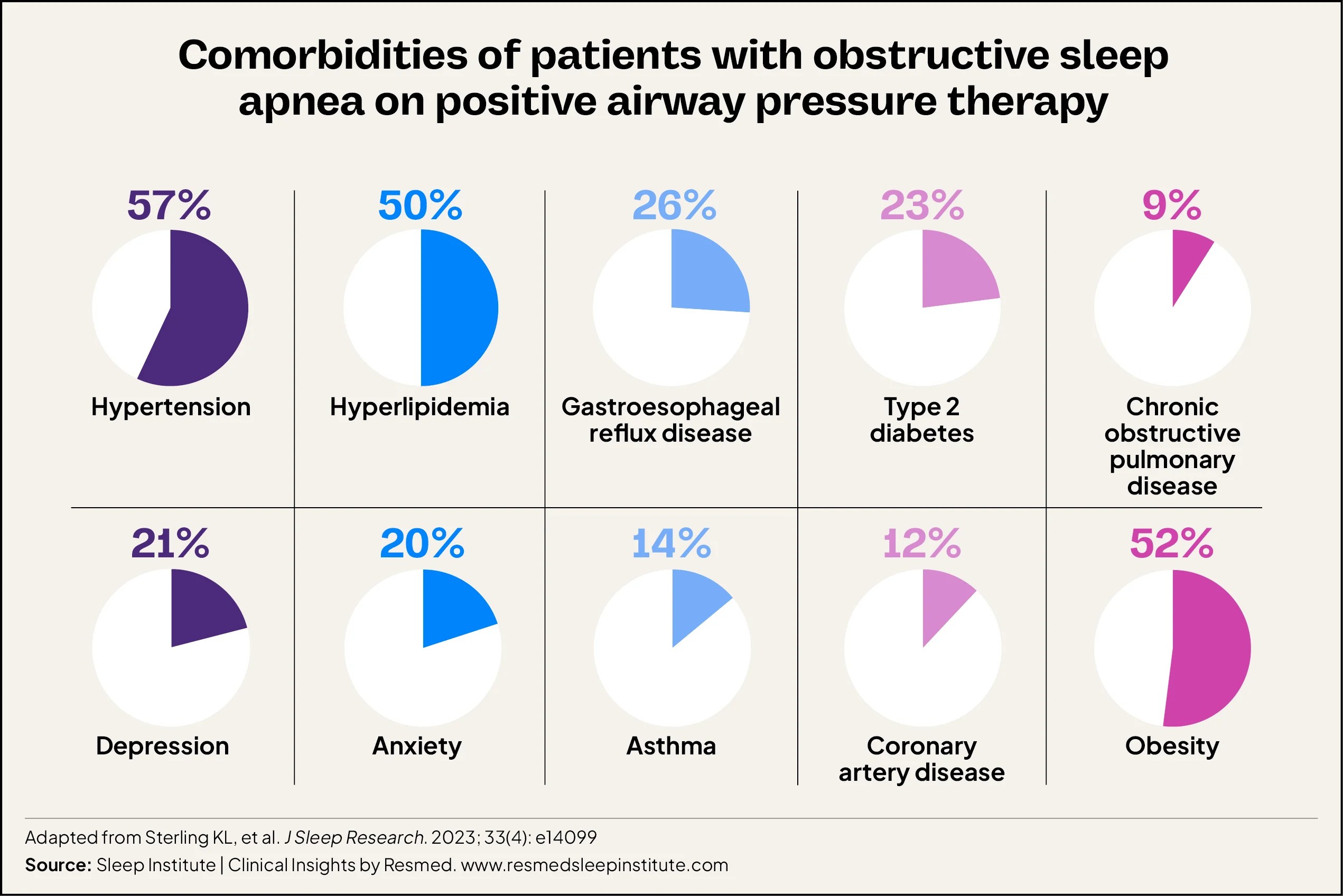
Sleep apnea is a serious medical condition. Complications can include:

  • Daytime fatigue.People with sleep apnea have an increased risk of motor vehicle and workplace accidents.You might also feel quick-tempered, moody or depressed. Children and adolescents with sleep apnea might perform poorly in school or have behavior problems.
  • High blood pressure or heart arrhythmias.
  • Increased risk of recurrent heart attack, stroke and abnormal heartbeats, such as atrial fibrillation.
  • Increased risk of developing insulin resistance and type 2 diabetes.
  • Metabolic syndrome. 
  • Complications with medications and surgery.
  • Liver problems. 
  • Sleep-deprived partners.

[/et_pb_text][/et_pb_column][/et_pb_row][et_pb_row column_structure=”1_3,2_3″ _builder_version=”4.13.1″ _module_preset=”default” custom_margin=”0px||||false|false” locked=”off” global_colors_info=”{}”][et_pb_column type=”1_3″ _builder_version=”4.13.1″ _module_preset=”default” background_color=”#0F2B49″ use_background_color_gradient=”on” background_color_gradient_start=”#cfe3d8″ background_color_gradient_end=”#4e6a8f” custom_padding=”45px||45px||false|false” global_colors_info=”{}”][et_pb_text _builder_version=”4.13.1″ _module_preset=”default” header_text_align=”center” header_text_color=”#FFFFFF” header_2_text_color=”#FFFFFF” custom_margin=”15px||15px||false|false” global_colors_info=”{}”]

How is sleep disordered breathing treated?

[/et_pb_text][/et_pb_column][et_pb_column type=”2_3″ _builder_version=”4.13.1″ _module_preset=”default” global_colors_info=”{}”][et_pb_text ul_type=”circle” ul_item_indent=”18px” _builder_version=”4.13.1″ _module_preset=”default” custom_margin=”0px||||false|false” global_colors_info=”{}”]

CPAP Treatment

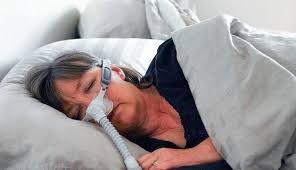
The standard treatment for sleep apnea is Continuous Positive Airway Pressure or CPAP, which involves wearing a mask on your face while you sleep. The mask conducts pressurized air through your nose, or through your nose and mouth, to your throat. The added pressure in your throat then keeps it from collapsing while you sleep, so you can breathe normally. 

Alternatives to CPAP Treatment

Oral appliance: For patients who cannot tolerate CPAP, an oral appliance to reposition the jaw, tongue, or expand the palate may be a good treatment option.

Surgery: There are surgical treatment options.  After surgery, you may no longer need CPAP or an oral appliance.  Surgical options might include:

  • Tissue removal or ablation: nasal, soft, palate, tonsils, adenoids
  • Jaw repositioning: also known as maxillomandibular advancement
  • Implants placed in the soft palate
  • Nerve stimulation implant
  • Weight loss surgery

Adjunct therapies can increase the effectiveness of typical sleep apnea treatment. Some common and holistic options are weight loss, proper nasal hygiene, and physical therapy, otherwise known as, oral myofunctional therapy.

[/et_pb_text][/et_pb_column][/et_pb_row][et_pb_row column_structure=”1_3,2_3″ _builder_version=”4.13.1″ _module_preset=”default” custom_margin=”30px||||false|false” locked=”off” global_colors_info=”{}”][et_pb_column type=”1_3″ _builder_version=”4.13.1″ _module_preset=”default” background_color=”#0F2B49″ use_background_color_gradient=”on” background_color_gradient_start=”#4e6a8f” background_color_gradient_end=”rgba(255,255,255,0.91)” custom_padding=”25px||25px||false|false” global_colors_info=”{}”][et_pb_text _builder_version=”4.13.1″ _module_preset=”default” header_text_align=”center” header_text_color=”#FFFFFF” header_2_text_color=”#FFFFFF” custom_margin=”15px||15px||false|false” global_colors_info=”{}”]

Can children have sleep apnea?

[/et_pb_text][/et_pb_column][et_pb_column type=”2_3″ _builder_version=”4.13.1″ _module_preset=”default” global_colors_info=”{}”][et_pb_text _builder_version=”4.13.1″ _module_preset=”default” custom_margin=”0px||||false|false” global_colors_info=”{}”]

Sleep quality is critical to growing children. Children are very susceptible to poor sleep, far more so than adults. Given the connection between mouth breathing and sleep disordered breathing, it’s so important that parents are paying attention to the way their kids breathe. The two types of sleep apnea in children are obstructive sleep apnea (OSA) and central sleep apnea (CSA). In OSA, a person tries to breathe but is unable to because of a constricted or blocked airway. In CSA, there is typically a lack of effort to inhale, so a person briefly stops taking breaths. Similar to adults, OSA is much more common in children than CSA.

[/et_pb_text][/et_pb_column][/et_pb_row][et_pb_row column_structure=”1_3,2_3″ _builder_version=”4.13.1″ _module_preset=”default” custom_margin=”30px||||false|false” locked=”off” global_colors_info=”{}”][et_pb_column type=”1_3″ _builder_version=”4.13.1″ _module_preset=”default” background_color=”#0F2B49″ use_background_color_gradient=”on” background_color_gradient_start=”#4e6a8f” background_color_gradient_end=”#f6b9ad” custom_padding=”25px||25px||false|false” global_colors_info=”{}”][et_pb_text _builder_version=”4.13.1″ _module_preset=”default” header_text_align=”center” header_text_color=”#FFFFFF” header_2_text_color=”#FFFFFF” custom_margin=”15px||15px||false|false” global_colors_info=”{}”]

What are the symptoms of sleep apnea in children?

[/et_pb_text][/et_pb_column][et_pb_column type=”2_3″ _builder_version=”4.13.1″ _module_preset=”default” global_colors_info=”{}”][et_pb_text ul_type=”circle” ul_item_indent=”18px” _builder_version=”4.13.1″ _module_preset=”default” custom_margin=”0px||||false|false” global_colors_info=”{}”]

Snoring is a hallmark symptom of obstructive sleep apnea. However, not all children who snore have sleep apnea.  Only a doctor can determine whether a child’s symptoms are due to sleep apnea. Knowing the causes and symptoms of sleep apnea in children can help you determine when to see a pediatrician. There are tests available to diagnose sleep apnea and treatments that can help manage or resolve this condition.

In addition to snoring, other symptoms of sleep apnea in children during sleep include:

  • Breathing through the mouth during sleep
  • Frequently waking up
  • Pauses in breathing, coughing, or choking during sleep
  • Teeth grinding
  • Restless sleeping or leg movement
  • Night sweats
  • Sleepwalking
  • Sleep talking
  • Sleep terrors
  • Bedwetting
  • Slow rate of growth for their age or failure to thrive

Sleep apnea also causes detrimental symptoms during waking hours. These may include:

  • Difficulty concentrating
  • Daytime sleepiness
  • Behavioral problems that often mimic attention deficit hyperactivity disorder (ADHD), such as hyperactivity, rebelliousness, and impulsiveness 
  • Morning headaches
  • Irritable mood
  • Difficulty controlling emotions

[/et_pb_text][/et_pb_column][/et_pb_row][et_pb_row column_structure=”1_3,2_3″ _builder_version=”4.13.1″ _module_preset=”default” custom_margin=”20px||||false|false” locked=”off” global_colors_info=”{}”][et_pb_column type=”1_3″ _builder_version=”4.13.1″ _module_preset=”default” background_color=”#0F2B49″ use_background_color_gradient=”on” background_color_gradient_start=”#0f2b49″ background_color_gradient_end=”#cfe3d8″ custom_padding=”45px||45px||false|false” global_colors_info=”{}”][et_pb_text _builder_version=”4.13.1″ _module_preset=”default” header_text_align=”center” header_text_color=”#FFFFFF” header_2_text_color=”#FFFFFF” global_colors_info=”{}”]

What causes OSA in children?

[/et_pb_text][/et_pb_column][et_pb_column type=”2_3″ _builder_version=”4.13.1″ _module_preset=”default” global_colors_info=”{}”][et_pb_text ul_type=”circle” ul_item_indent=”18px” _builder_version=”4.13.1″ _module_preset=”default” global_colors_info=”{}”]

There are several causes of obstructive sleep apnea in children:

  • Enlarged tonsils and adenoids: A widely recognized risk factor for childhood OSA is enlarged tonsils and adenoids. Tonsils and adenoids are glands located at the back of the throat and are part of the immune system. The tonsils and adenoids may be enlarged due to genetics, frequent infections, or inflammation. When enlarged, these glands constrict the airway, making breathing during sleep more difficult.
  • Childhood obesity: Obstructive sleep apnea occurs in 60% of obese children. 
  • Craniofacial development: a small jaw, overbite, or deficient mid face growth. 
  • Tongue and throat muscle weakness due to conditions like Down Syndrome or Cerebral Palsy. 
  • Nasal allergies.
  • Living with adults who smoke.
  • Family history of obstructive sleep apnea.

[/et_pb_text][/et_pb_column][/et_pb_row][et_pb_row column_structure=”1_3,2_3″ _builder_version=”4.13.1″ _module_preset=”default” locked=”off” global_colors_info=”{}”][et_pb_column type=”1_3″ _builder_version=”4.13.1″ _module_preset=”default” background_color=”#0F2B49″ use_background_color_gradient=”on” background_color_gradient_start=”#f6b9ad” background_color_gradient_end=”#0f2b49″ custom_padding=”50px||50px||false|false” global_colors_info=”{}”][et_pb_text _builder_version=”4.13.1″ _module_preset=”default” header_text_align=”center” header_text_color=”#FFFFFF” header_2_text_color=”#FFFFFF” global_colors_info=”{}”]

What causes CSA in children?

[/et_pb_text][/et_pb_column][et_pb_column type=”2_3″ _builder_version=”4.13.1″ _module_preset=”default” global_colors_info=”{}”][et_pb_text ul_type=”circle” ul_item_indent=”18px” _builder_version=”4.13.1″ _module_preset=”default” global_colors_info=”{}”]

Central sleep apnea can occur for a variety of reasons in children. It is important to note that a few central apnea events during sleep are considered normal. It can be present when children have health conditions that interfere with parts of the central nervous system that control breathing. Central apnea can also occur in premature babies since the breathing center in the brain is not mature.   

Other causes include:          

  • Neurometabolic disorders
  • Central nervous system inflammation/infection
  • Spinal injury
  • Obesity hypoventilation syndrome
  • Gastro-oesophageal reflux diseases
  • Epilepsy
  • Idiopathic
  • Down Syndrome
  • Narcotic and opioid medications

[/et_pb_text][/et_pb_column][/et_pb_row][et_pb_row column_structure=”1_3,2_3″ _builder_version=”4.13.1″ _module_preset=”default” custom_margin=”30px||||false|false” locked=”off” global_colors_info=”{}”][et_pb_column type=”1_3″ _builder_version=”4.13.1″ _module_preset=”default” background_color=”#0F2B49″ use_background_color_gradient=”on” background_color_gradient_start=”#4e6a8f” background_color_gradient_end=”rgba(255,255,255,0.91)” custom_padding=”25px||25px||false|false” global_colors_info=”{}”][et_pb_text _builder_version=”4.13.1″ _module_preset=”default” header_text_align=”center” header_text_color=”#FFFFFF” header_2_text_color=”#FFFFFF” custom_margin=”15px||15px||false|false” global_colors_info=”{}”]

How is sleep apnea diagnosed in children?

[/et_pb_text][/et_pb_column][et_pb_column type=”2_3″ _builder_version=”4.13.1″ _module_preset=”default” global_colors_info=”{}”][et_pb_text _builder_version=”4.13.1″ _module_preset=”default” custom_margin=”0px||||false|false” global_colors_info=”{}”]

It is a good idea to consult a doctor anytime abnormal sleep symptoms are present. Also, children who are not sleeping well may have trouble focusing, display irritability, or have poor impulse control. If a child is struggling with behavior concerns, it could be helpful to ask the doctor whether a sleep disorder such as sleep apnea may be a contributing factor.

When sleep concerns are present, a doctor gathers information from the child and parent or guardian about the child’s sleep habits and any daytime and nighttime symptoms. The doctor may also perform a physical examination of the child’s mouth, neck, and throat to look for physical characteristics that increase the risk for sleep apnea (such as enlarged tonsils and adenoids).

If this initial evaluation indicates further testing is appropriate, the doctor may suggest polysomnography, which is a sleep study performed overnight at a sleep clinic. Polysomnography is the gold standard method for evaluating suspected sleep apnea, as it provides the most definitive results.

Home sleep tests are generally not recommended for children, based on the American Academy of Pediatrics and the American Academy of Sleep Medicine guidelines.

[/et_pb_text][/et_pb_column][/et_pb_row][et_pb_row column_structure=”1_3,2_3″ _builder_version=”4.13.1″ _module_preset=”default” custom_margin=”30px||||false|false” locked=”off” global_colors_info=”{}”][et_pb_column type=”1_3″ _builder_version=”4.13.1″ _module_preset=”default” background_color=”#0F2B49″ use_background_color_gradient=”on” background_color_gradient_start=”#4e6a8f” background_color_gradient_end=”#f6b9ad” custom_padding=”25px||25px||false|false” global_colors_info=”{}”][et_pb_text _builder_version=”4.13.1″ _module_preset=”default” header_text_align=”center” header_text_color=”#FFFFFF” header_2_text_color=”#FFFFFF” custom_margin=”15px||15px||false|false” global_colors_info=”{}”]

How is sleep apnea treated in children?

[/et_pb_text][/et_pb_column][et_pb_column type=”2_3″ _builder_version=”4.13.1″ _module_preset=”default” global_colors_info=”{}”][et_pb_text ul_type=”circle” ul_item_indent=”18px” _builder_version=”4.13.1″ _module_preset=”default” custom_margin=”0px||||false|false” global_colors_info=”{}”]

Treatments for childhood sleep apnea depend on the cause and severity of symptoms and should be discussed in detail with the healthcare provider:

  • Adenotonsillectomy: Childhood sleep apnea caused by enlarged tonsils and adenoids may be cured by surgically removing the tonsils and adenoids.
  • Myofunctional therapy: Mouth and throat exercises, also known as “myofunctional therapy” or “oropharyngeal exercises,” have been shown to improve obstructive sleep apnea and snoring in children. 
  • Orthodontics: Rapid maxillary expansion and mandibular advancement devices are orthodontic approaches that use dental hardware to create more space in the mouth and improve the flow of air through the airway.
  • CPAP: Also called continuous positive airway pressure, CPAP is a machine that continuously pumps air into the airway. 
  • Treatment of allergies and sinus inflammation: Medications, such as a steroid nasal spray, saline nasal rinses, and/or other allergy medications, may be an option for children with mild sleep apnea symptoms. These medications can reduce airway constriction and poor tongue posture caused by constantly breathing through the mouth. 

Children with very mild or no symptoms may be monitored over time without administering treatment.  Supportive care during watchful waiting can include education on good sleep habits, close monitoring of symptoms, and frequent follow-up with a healthcare provider.

The following natural treatments may help reduce obstructive sleep apnea in children. 

  • Weight loss: In children with obesity and obstructive sleep apnea, weight loss can alleviate symptoms. A pediatrician, dietician, or nutritionist can assist with a healthy diet and exercise planning.
  • Avoiding allergens: It may be helpful to avoid substances that cause allergic reactions of the nasal passages. Allergic rhinitis leads to congestion and airway restriction.
  • Nasal breathing retraining:  Also known as myofunctional therapy.
  • Positional therapy: Positional therapy involves training a person to sleep in a different position. 

[/et_pb_text][/et_pb_column][/et_pb_row][et_pb_row column_structure=”1_3,2_3″ _builder_version=”4.13.1″ _module_preset=”default” custom_margin=”0px||||false|false” locked=”off” global_colors_info=”{}”][et_pb_column type=”1_3″ _builder_version=”4.13.1″ _module_preset=”default” background_color=”#0F2B49″ use_background_color_gradient=”on” background_color_gradient_start=”#cfe3d8″ background_color_gradient_end=”#4e6a8f” custom_padding=”45px||45px||false|false” global_colors_info=”{}”][et_pb_text _builder_version=”4.13.1″ _module_preset=”default” header_text_align=”center” header_text_color=”#FFFFFF” header_2_text_color=”#FFFFFF” custom_margin=”15px||15px||false|false” global_colors_info=”{}”]

How can myofunctional therapy help in treating sleep apnea?

[/et_pb_text][/et_pb_column][et_pb_column type=”2_3″ _builder_version=”4.13.1″ _module_preset=”default” global_colors_info=”{}”][et_pb_text ul_type=”circle” ul_item_indent=”18px” _builder_version=”4.13.1″ _module_preset=”default” custom_margin=”0px||||false|false” global_colors_info=”{}”]

Sleep and breathing are essential to human development, health and daily life. The typical human breathes more than 25,000 breaths each day and swallows up to 1000 times per day.  Disordered Breathing during sleep has a major impact on both sleep quantity and quality.

Orofacial myofunctional therapy (OMT) can be an important adjunctive therapy when treating  sleep apnea.  Many people with sleep disordered breathing have incorrect oral rest posture and weak oral muscles. Orofacial myofunctional therapy (also referred to as orofacial myology or myofunctional therapy) is an individualized program of static and dynamic strength and pattern retraining exercises of the tongue and orofacial muscles intended to correct maladaptive oral habits and help restore correct oral resting posture.  

This therapy is low cost, low risk,  and non-invasive.  A recently published study concluded:

“myofunctional therapy decreases apnea-hypopnea index by approximately 50% in adults and 62% in children. Lowest oxygen saturations, snoring, and sleepiness outcomes improve in adults. Myofunctional therapy could serve as an adjunct to other obstructive sleep apnea treatments.”

While diagnosing and explicitly treating sleep-disordered breathing and obstructive sleep apnea are not within an orofacial myofunctional therapist’s scope of practice, it is within our scope of practice to provide myofunctional therapy to assist in combating the muscle weakness that can contribute to those conditions. Strengthening those muscles through myofunctional therapy has been shown to improve breathing, sleeping, snoring, eating, swallowing, talking, etc. 

As orofacial myofunctional therapists, we can recognize the symptoms of sleep disordered breathing and we have a network of professionals who we can refer to if needed.  

[/et_pb_text][/et_pb_column][/et_pb_row][/et_pb_section]