
Mouth Breathing

What is mouth breathing?
Simply stated, it is breathing through the mouth instead of the nose. Mouth breathing starts when we can’t get enough air through the nose, so the mouth takes over. This forces us to breathe through the mouth out of sheer necessity.
Breathing is meant to happen through the nose, It is perfectly natural to breathe through your mouth at certain times, such as when lifting a heavy load or exercising. While we all breathe through our mouths some of the time, we must use our noses for the majority of our breathing. Otherwise, we can develop some surprising health issues. Learning about your own breathing habits, and correcting the negative can make a massive difference to the quality of your life and your long-term health.
It is estimated that we breathe about 20,000 times a day. That means there are 20,000 chances for the human body to not function at its top capacity!
What causes mouth breathing?
Some of the causes of mouth breathing can include:
- Nasal Congestion: This can be caused by colds and stuffy noses, allergies (animals, environmental, or food sensitivities), sinus infections, and any other type of respiratory condition that affects your ability to breathe. Once the congestion clears up, the sufferer often continues to breathe through the mouth, opening the door to new issues.
- Enlarged Tonsils or Adenoids: When the tonsils and/or adenoids are enlarged or inflamed, you are more likely to develop colds, hoarseness, and sore throat. Inflammation of the area can cause an obstruction to comfortable nasal breathing.
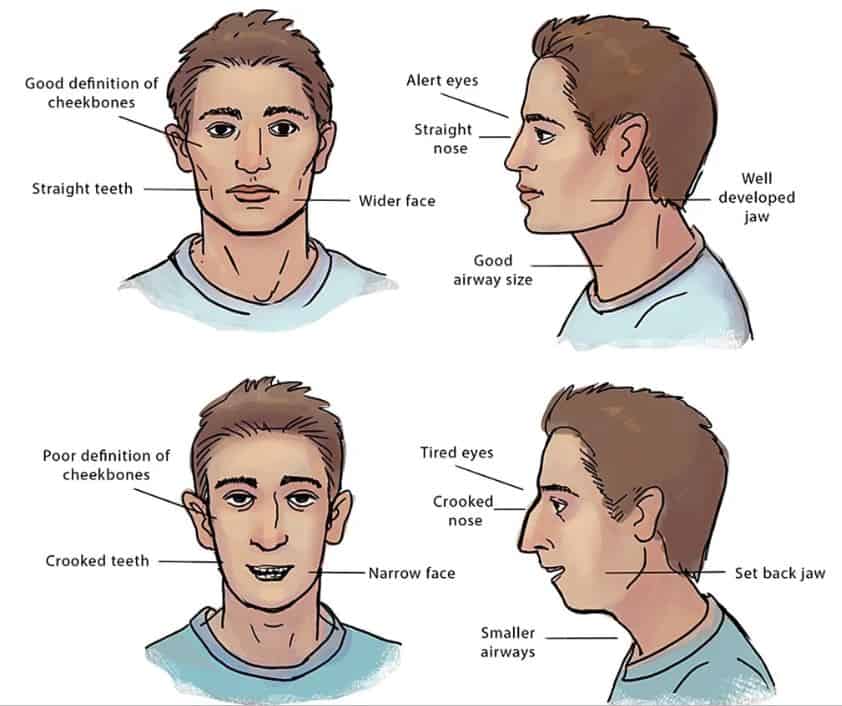
- Thumb Sucking in Children: A child who has sucked his or her thumb in the past has many oral and facial muscles that developed around that habit. This means that the lips may not form a natural seal due to the habit, and the tongue thrust pattern that forms when finger-sucking remains. In severe cases of mouth breathing in children, the actual facial construction can develop incorrectly, causing a receding jawline and other structural and/or musculature issues.
- A Deviated Nasal Septum: A deviated septum can block one nasal passage and reduce your airway, forcing you to breathe through your mouth instead. This can become especially pronounced at night and often leads to unconscious mouth breathing.
- Tongue Tie: An actual medical condition, the tongue-tie doesn’t allow for the mouth to close properly, thereby impairing nasal breathing. Because a tongue tie reduces upper airway support, it can cause breathing issues if left untreated.
- Allergies
Each of these factors contributes to nasal obstruction making it difficult, sometimes impossible, for a person to nasal breathe. If nasal breathing is not possible, the body’s only choice is to mouth breathe.
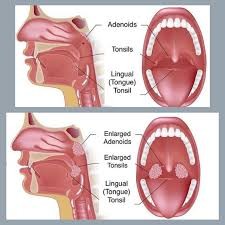
Normal Adenoidal Tissue vs Swollen Adenoidal Tissue
What are the symptoms of mouth breathing?
Habitual breathing through the mouth can lead to a broad range of symptoms and risk factors in children and adults. while it can be difficult to know if you are yourself breathing correctly while sleeping, waking with a dry mouth or very bad breath can be simple and immediate warning signs.
Unchecked, chronic mouth breathing is linked to sleep apnea, dental problems, cognitive decline, and chronic fatigue, as well as the deterioration of the body’s production of nitric oxide, a molecule that is vital to the regulation of blood flow, platelet function, immunity, and neurotransmission.
Some common effects of chronic mouth breathing can also help you identify the possibility that you are mouth breathing without realizing it:
- Dry mouth when waking
- Bad breath
- Nasal obstruction or congestion
- Snoring
- Sleep disorders, including sleep apnea
- Poor concentration and academic performance
- Ear and throat infections
Additional symptoms that typically result from chronic childhood mouth breathing:
- Misaligned teeth and overbite
- A history of dental issues, including cavities and gingivitis
- Speech impediments, especially lisps
- Chewing abnormalities
- Facial deformities, including flatter facial features, and receding chin
What are the benefits of nasal breathing?
When we breathe in air through the nose, the air we breathe is filtered as it makes its way through the nasal passage and into the mucus-lined windpipe. Both the tiny hairs in the nose and the mucus in the windpipe work to protect our bodies from foreign particles before they are able to enter the lungs.
Once the filtered air enters the lungs, the oxygen is pumped into our bloodstream and circulated throughout the body. And finally, when air exits the body through exhalation, it brings with it carbon dioxide from our cells and other waste materials.
The main advantages of nose breathing include:
- The Nose Is a Filter: The nose is lined with cilia — tiny hairs that filter the air we breathe before it enters the lungs. Tiny particles that would be able to enter the body through the mouth are stopped by these tiny hairs in the nose during nasal breathing.
- Nasal Breathing Regulates Air Temperature: The tiny hairs that line the nasal passage help to regulate the temperature of the air we breathe before it enters the lungs. It works to cool or warm the air, depending on its temperature. Breathing through the nose ensures that inspired air is at the right temperature for the lungs, promoting proper lung function.
- It Prevents Dryness: When you breathe in through your nose, the air is moistened before it reaches the lungs. By warming and humidifying the air we breathe, nose-blowing is beneficial to your respiratory system and may help to reduce the risk of common respiratory conditions, like the common cold.
- Helps to Calm the Mind: Correct nasal breathing is a huge element of a yoga practice specifically because of its calming effect on the mind. Breathing exercises in yoga are meant to help you focus on the present and leave you with a relaxed state of mind. When we breathe deeply in and out of the nose, it stimulates parasympathetic nerve receptors that are associated with calmness and distribute greater amounts of oxygen throughout the body.
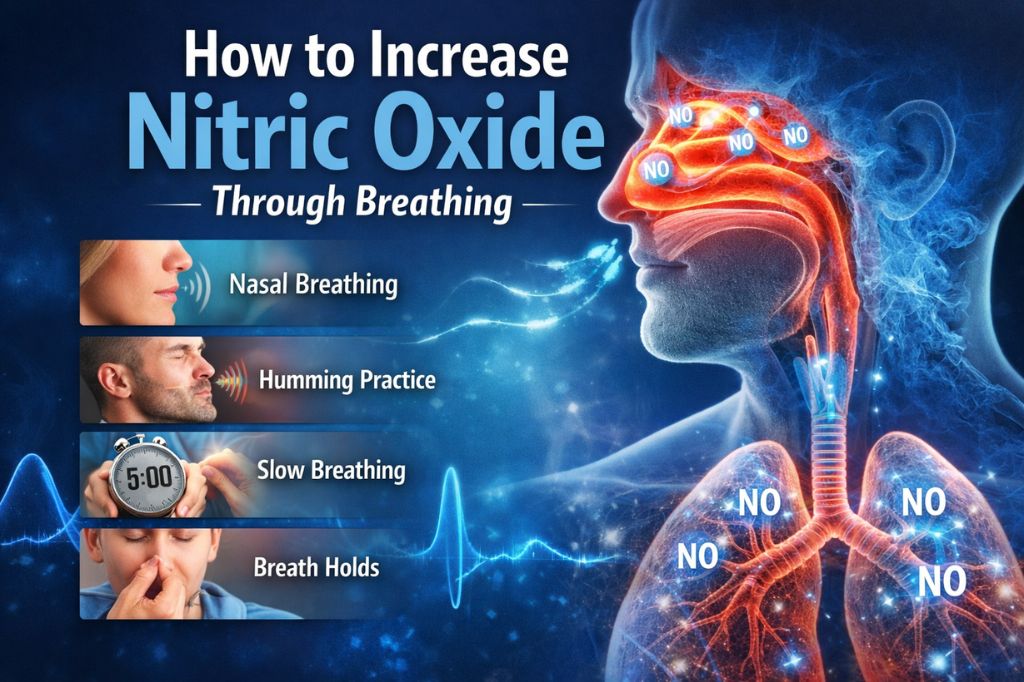
- Nasal Breathing Boosts Nitric Oxide Production: Our sinuses produce a gas called Nitric Oxide (NO). This gas plays a very important role in many of our bodily functions. It acts as a relaxant causing blood vessels to dilate and lower pressure, it is antibacterial, neutralizes germs, and is antiviral by inhibiting the replication of certain viral proteins.
Nitric Oxide aids in the proper absorption and release of gases in the lungs. When the body is deprived of the proper oxygen, a number of bodily functions can be affected and lead to symptoms such as high blood pressure, heart problems, sleep apnea, and other medical issues. In children, oxygen deprivation as a result of mouth breathing has been linked to poor growth and weak academic performance, as well as ADD and ADHD symptoms. Mouth breathing can also affect the position of your teeth and your bite. When the mouth is open, the lips are weak and there’s no external support for the teeth. The tongue simultaneously pushes forward, progressively moving the teeth over time.
How can mouth breathing be corrected?
Myofunctional therapists can assist in finding the cause or causes of mouth breathing and recommend the best course of treatment. We work with a network of professionals to aid in this journey.
Eliminating factors contributing to airway inflammation such as adenoids, nasal polyps, and allergies are key. This could include an evaluation by an ENT, diet changes, and nasal hygiene techniques. Orthodontics and/or expansion may also be needed. through a series of targeted exercises involving the tongue, and lips. Myofunctional therapy encourages the widening of the airway and fosters the ability to breathe through the nose rather than the mouth. It does so by teaching a series of stretches and exercises to strengthen, retrain and balance the muscles of the face, mouth, and throat. As a result, when you are not eating or speaking, your orofacial system is at rest as follows: with lips closed, teeth slightly touching, and tongue resting gently against the upper palate.
Mouth breathers have learned to compensate by using their facial muscles incorrectly over time. They are dealing with muscles and habits that have been conditioned and ingrained in their everyday mechanics for years and it will take time to recondition these habits.
In addition to myofunctional therapy, breath retraining through the Buteyko Breathing Technique is also highly recommended. This therapeutic breathing method uses breath retention exercises to control the speed and volume of your breath. This helps you to learn to breathe more slowly, calmly, and effectively.