
[et_pb_section fb_built=”1″ _builder_version=”4.13.1″ _module_preset=”default” saved_tabs=”all” global_colors_info=”{}” theme_builder_area=”post_content”][et_pb_row _builder_version=”4.13.1″ _module_preset=”default” custom_margin=”-40px||||false|false” global_colors_info=”{}” theme_builder_area=”post_content”][et_pb_column type=”4_4″ _builder_version=”4.13.1″ _module_preset=”default” global_colors_info=”{}” theme_builder_area=”post_content”][et_pb_text _builder_version=”4.13.1″ _module_preset=”default” text_text_color=”#4E6A8F” header_text_color=”#0F2B49″ header_2_text_color=”#0F2B49″ custom_margin=”||-60px||false|false” custom_padding=”||0px||false|false” global_colors_info=”{}” theme_builder_area=”post_content”]
Malocclusion and Orthodontic Relapse
[/et_pb_text][/et_pb_column][/et_pb_row][/et_pb_section][et_pb_section fb_built=”1″ _builder_version=”4.13.1″ _module_preset=”default” top_divider_style=”curve2″ top_divider_color=”#4E6A8F” top_divider_height=”198px” global_module=”426″ saved_tabs=”all” global_colors_info=”{}”][et_pb_row _builder_version=”4.13.1″ _module_preset=”default” custom_margin=”||0px||false|false” global_colors_info=”{}”][et_pb_column type=”4_4″ _builder_version=”4.13.1″ _module_preset=”default” background_color_gradient_start=”#4e6a8f” background_color_gradient_end=”#ffffff” custom_padding=”15px||15px||false|false” global_colors_info=”{}”][et_pb_image src=”https://www.myofunctionaladvantage.com/wp-content/uploads/2022/03/occlusion.jpeg” title_text=”occlusion” align=”center” _builder_version=”4.13.1″ _module_preset=”default” height=”325px” global_colors_info=”{}”][/et_pb_image][/et_pb_column][/et_pb_row][et_pb_row column_structure=”1_3,2_3″ _builder_version=”4.13.1″ _module_preset=”default” global_colors_info=”{}”][et_pb_column type=”1_3″ _builder_version=”4.13.1″ _module_preset=”default” background_color=”#0F2B49″ use_background_color_gradient=”on” background_color_gradient_start=”#f6b9ad” background_color_gradient_end=”#0f2b49″ custom_padding=”50px||50px||false|false” global_colors_info=”{}”][et_pb_text _builder_version=”4.13.1″ _module_preset=”default” header_text_align=”center” header_text_color=”#FFFFFF” header_2_text_color=”#FFFFFF” global_colors_info=”{}”]
What is malocclusion?
[/et_pb_text][/et_pb_column][et_pb_column type=”2_3″ _builder_version=”4.13.1″ _module_preset=”default” global_colors_info=”{}”][et_pb_text _builder_version=”4.13.1″ _module_preset=”default” custom_margin=”12px||||false|false” global_colors_info=”{}”]
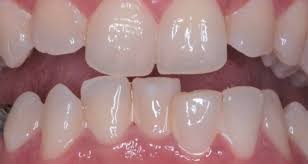
Malocclusion refers to the improper alignment of teeth and how the upper and lower teeth fit together (bite). The upper teeth should fit slightly over the lower teeth. The points of the molars should fit the grooves of the opposite molar. The upper teeth keep you from biting your cheeks and lips, and your lower teeth protect your tongue.
[/et_pb_text][/et_pb_column][/et_pb_row][et_pb_row column_structure=”1_3,2_3″ _builder_version=”4.13.1″ _module_preset=”default” custom_margin=”20px||||false|false” locked=”off” global_colors_info=”{}”][et_pb_column type=”1_3″ _builder_version=”4.13.1″ _module_preset=”default” background_color=”#0F2B49″ use_background_color_gradient=”on” background_color_gradient_start=”#0f2b49″ background_color_gradient_end=”#cfe3d8″ custom_padding=”45px||45px||false|false” global_colors_info=”{}”][et_pb_text _builder_version=”4.13.1″ _module_preset=”default” header_2_text_color=”#FFFFFF” custom_margin=”30px||30px||false|false” custom_padding=”8px||8px||false|false” global_colors_info=”{}”]
What can cause malocclusion?
[/et_pb_text][/et_pb_column][et_pb_column type=”2_3″ _builder_version=”4.13.1″ _module_preset=”default” global_colors_info=”{}”][et_pb_text ul_type=”circle” _builder_version=”4.13.1″ _module_preset=”default” global_colors_info=”{}”]
Malocclusion can be hereditary. It may be caused by a difference in size relationship of the upper and lower jaws or between the jaw and tooth size. Unresolved myofunctional issues, such as tongue-tie, lip-tie, airway obstruction, and unusual swallowing patterns, can also be contributing factors to improper occlusion .
Other causes include:
- Habits such as thumb sucking, tongue thrusting, pacifier use beyond age 3, and prolonged use of a bottle
- Extra teeth, lost teeth, impacted teeth, or abnormally shaped teeth
- Ill-fitting dental fillings, crowns, dental appliances, retainers, or braces
- Misalignment of jaw fractures after a severe injury
- Tumors of the mouth and jaw
[/et_pb_text][/et_pb_column][/et_pb_row][et_pb_row column_structure=”1_3,2_3″ _builder_version=”4.13.1″ _module_preset=”default” custom_margin=”0px||||false|false” locked=”off” global_colors_info=”{}”][et_pb_column type=”1_3″ _builder_version=”4.13.1″ _module_preset=”default” background_color=”#0F2B49″ use_background_color_gradient=”on” background_color_gradient_start=”#cfe3d8″ background_color_gradient_end=”#4e6a8f” custom_padding=”45px||45px||false|false” global_colors_info=”{}”][et_pb_text _builder_version=”4.13.1″ _module_preset=”default” header_text_align=”center” header_text_color=”#FFFFFF” header_2_text_color=”#FFFFFF” custom_margin=”0px||0px||false|false” global_colors_info=”{}”]
What are the effects of malocclusion?
[/et_pb_text][/et_pb_column][et_pb_column type=”2_3″ _builder_version=”4.13.1″ _module_preset=”default” global_colors_info=”{}”][et_pb_text _builder_version=”4.13.1″ _module_preset=”default” custom_margin=”14px||||false|false” global_colors_info=”{}”]
Malocclusion can affect everything from your dental health to your mental health. Left untreated, malocclusion increases the chance you’ll have oral function problems such as jaw movement due to muscle disharmony, pain, difficulties in mastication, swallowing, speech, caries and periodontal diseases. All of these factors influence the quality of life of an individual.
[/et_pb_text][/et_pb_column][/et_pb_row][et_pb_row column_structure=”1_3,2_3″ _builder_version=”4.13.1″ _module_preset=”default” custom_margin=”30px||||false|false” locked=”off” global_colors_info=”{}”][et_pb_column type=”1_3″ _builder_version=”4.13.1″ _module_preset=”default” background_color=”#0F2B49″ use_background_color_gradient=”on” background_color_gradient_start=”#4e6a8f” background_color_gradient_end=”rgba(255,255,255,0.91)” custom_padding=”25px||25px||false|false” global_colors_info=”{}”][et_pb_text _builder_version=”4.13.1″ _module_preset=”default” header_text_align=”center” header_text_color=”#FFFFFF” header_2_text_color=”#FFFFFF” custom_margin=”15px||15px||false|false” global_colors_info=”{}”]
What is
orthodontic relapse?
[/et_pb_text][/et_pb_column][et_pb_column type=”2_3″ _builder_version=”4.13.1″ _module_preset=”default” global_colors_info=”{}”][et_pb_text _builder_version=”4.13.1″ _module_preset=”default” custom_margin=”14px||||false|false” global_colors_info=”{}”]
When teeth start moving towards their original positions in the mouth following successful orthodontic treatment, it is referred to as an orthodontic relapse. Short-term relapses occur less than one year after treatment has concluded, while long-term relapses happen a year or more after completing treatment. Orthodontic relapse is actually fairly common. It is usually attributed to irregular wear or discontinuation of retainers. Another often overlooked reason can be a myofunctional disorder.
[/et_pb_text][/et_pb_column][/et_pb_row][et_pb_row column_structure=”1_3,2_3″ _builder_version=”4.13.1″ _module_preset=”default” custom_margin=”30px||||false|false” locked=”off” global_colors_info=”{}”][et_pb_column type=”1_3″ _builder_version=”4.13.1″ _module_preset=”default” background_color=”#0F2B49″ use_background_color_gradient=”on” background_color_gradient_start=”#4e6a8f” background_color_gradient_end=”#f6b9ad” custom_padding=”25px||25px||false|false” global_colors_info=”{}”][et_pb_text _builder_version=”4.13.1″ _module_preset=”default” header_text_align=”center” header_text_color=”#FFFFFF” header_2_text_color=”#FFFFFF” custom_margin=”15px||15px||false|false” global_colors_info=”{}”]
How can a
myofunctional disorder
cause orthodontic relapse?
[/et_pb_text][/et_pb_column][et_pb_column type=”2_3″ _builder_version=”4.13.1″ _module_preset=”default” global_colors_info=”{}”][et_pb_text ul_type=”circle” _builder_version=”4.13.1″ _module_preset=”default” custom_margin=”0px||||false|false” global_colors_info=”{}”]
Teeth are surrounded in all directions by muscles and forces. It takes less than 2 grams of pressure to move a tooth. The action of our tongue, cheeks, and lips can be hundreds of grams of pressure. Muscular imbalance is one of the reasons orthodontic treatment would be needed. If not corrected, they can lead to orthodontic relapse. If dysfunctional habits are present, this can cause crooked teeth, a crossbite, or an open bite. These issues will not resolve once you have orthodontic treatment. Eventually, there is a significant possibility your teeth will begin to shift again . There are a large number of adult patients going through braces 2 or 3 times.
[/et_pb_text][/et_pb_column][/et_pb_row][et_pb_row column_structure=”1_3,2_3″ _builder_version=”4.13.1″ _module_preset=”default” custom_margin=”30px||||false|false” locked=”off” global_colors_info=”{}”][et_pb_column type=”1_3″ _builder_version=”4.13.1″ _module_preset=”default” background_color=”#0F2B49″ use_background_color_gradient=”on” background_color_gradient_start=”#acd8d5″ background_color_gradient_end=”#0f2b49″ custom_padding=”25px||25px||false|false” global_colors_info=”{}”][et_pb_text _builder_version=”4.13.1″ _module_preset=”default” header_text_align=”center” header_text_color=”#FFFFFF” header_2_text_color=”#FFFFFF” custom_margin=”25px||25px||false|false” global_colors_info=”{}”]
How can oral
myofunctional therapy help?
[/et_pb_text][/et_pb_column][et_pb_column type=”2_3″ _builder_version=”4.13.1″ _module_preset=”default” global_colors_info=”{}”][et_pb_text ul_type=”circle” _builder_version=”4.13.1″ _module_preset=”default” custom_margin=”0px||||false|false” global_colors_info=”{}”]
Unresolved myofunctional disorders, such as tongue-tie, lip-tie, airway obstruction, and unusual swallowing patterns, can all indicate that the tongue, lips, and mandible aren’t resting properly. Myofunctional therapy helps prevent post orthodontic relapse by re-educating the muscles of the tongue, throat, and face to rest in the proper place, as well as, balance any muscle deficiencies, creating balance of pressure on the teeth and jaw. The ideal time to start a therapy program is before the braces orthodontic treatment begins. However, myofunctional therapy can significantly improve the results of orthodontic treatment at any time, even when the braces are on the teeth.
[/et_pb_text][/et_pb_column][/et_pb_row][/et_pb_section]